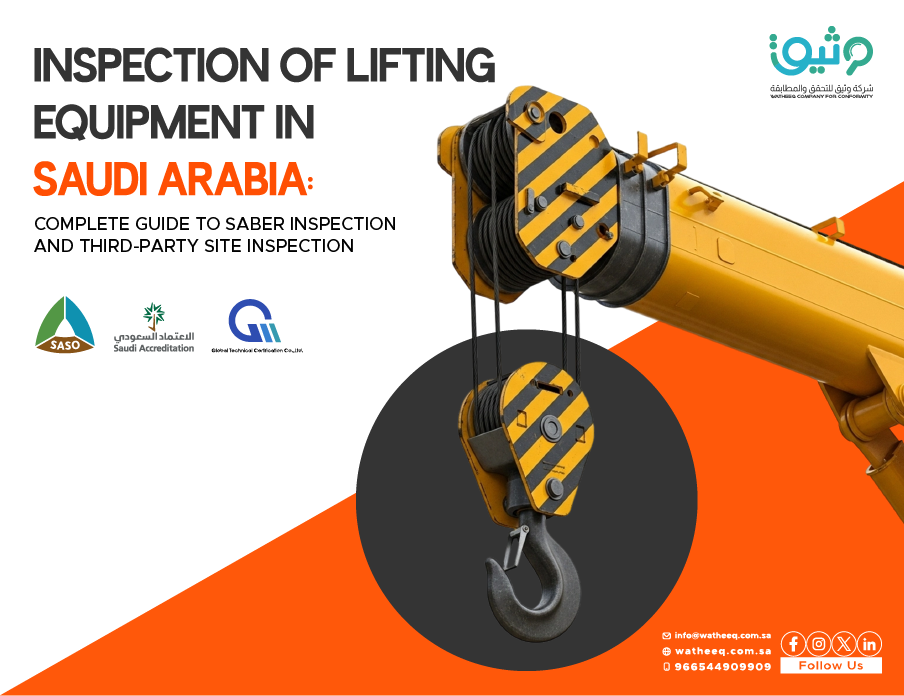
Inspection of Lifting Equipment in Saudi Arabia: Complete Guide to SABER Inspection and Third-Party Site Inspection

15 Feb 2026 Articles

Inspection of Lifting Equipment in Saudi Arabia: Complete Guide to SABER Inspection and Third-Party Site Inspection

Inspection of lifting equipment in Saudi Arabia is a mandatory requirement for both import clearance and operational approval on construction and industrial sites. Lifting machinery such as cranes, forklifts, hoists, telehandlers, and other load-handling equipment plays a critical role in construction, oil & gas, logistics, and infrastructure projects across the Kingdom.

However, lifting operations are considered high-risk activities. Equipment failure, improper maintenance, or unqualified operators can result in serious injuries, fatalities, property damage, and major project delays. For this reason, lifting equipment compliance in KSA is strictly enforced through regulatory and project-based inspection systems.

There are two main inspection pathways that companies must understand:

  1. SABER inspection for lifting equipment (for imported machinery)
  2. Third-party inspection Saudi Arabia (for site and operational approval)

In this comprehensive guide, we explain both processes and how Watheeq Company supports full lifting equipment certification in Saudi Arabia.

Why Inspection of Lifting Equipment in Saudi Arabia Is Essential

Lifting operations involve heavy loads, elevated work, moving mechanical systems, and hydraulic components. Any failure in structure, braking systems, wire ropes, outriggers, or load control mechanisms can cause catastrophic consequences.

Risks include:

  1. Serious injuries and fatalities
  2. Equipment collapse
  3. Structural damage
  4. Contractual penalties
  5. Legal and regulatory action

Saudi Arabia has significantly strengthened safety regulations, particularly in large-scale infrastructure, oil & gas, and industrial projects. As a result, inspection of lifting equipment in Saudi Arabia is not optional — it is a legal, contractual, and operational requirement.

Types of Lifting Equipment Subject to Inspection

Inspection requirements typically apply to:

  1. Mobile cranes
  2. Truck-mounted cranes
  3. Tower cranes
  4. Overhead cranes
  5. Forklifts
  6. Telehandlers
  7. Hoists and winches
  8. Slings, shackles, hooks, and lifting accessories

Both new and used equipment must undergo inspection before being used inside Saudi projects.

1️⃣ SABER Inspection for Lifting Equipment

What Is SABER Inspection for Lifting Equipment?

When lifting machinery is imported into Saudi Arabia, an inspection report must be issued by an accredited body and uploaded to the SABER platform as part of the conformity process.

This is commonly referred to as SABER inspection for lifting equipment.

It applies when:

  1. Equipment is imported for internal company use
  2. Equipment is imported for commercial resale

Without completing SABER inspection, customs clearance cannot be finalized.

Why SABER Inspection Is Required

SABER inspection ensures that imported lifting equipment:

  1. Meets applicable Saudi technical and safety requirements
  2. Is free from critical defects
  3. Is safe for operation under Saudi conditions
  4. Complies with lifting equipment compliance KSA standards

If the inspection report is not uploaded to SABER, the shipment may be stopped at customs.

How Watheeq Supports SABER Inspection

Watheeq Company supports clients by:

  1. Performing technical safety inspections
  2. Checking structural integrity and operational systems
  3. Preparing official inspection reports
  4. Supporting report upload on SABER platform
  5. Assisting both personal-use and commercial importers

This ensures smooth clearance and avoids port delays.

2️⃣ Third-Party Inspection for Site & Project Entry

What Is Third-Party Inspection in Saudi Arabia?

Third-party inspection Saudi Arabia refers to independent inspection required by:

  1. Project owners
  2. EPC contractors
  3. Construction management
  4. Industrial facility operators

Before lifting equipment is allowed to operate inside a site, a valid third-party inspection certificate is typically mandatory.

Unlike SABER inspection, which focuses on import compliance, third-party inspection focuses on operational safety and site readiness.

When Is Third-Party Inspection Required?

It is usually required:

  1. Before first entry to a project
  2. After major repair or modification
  3. During periodic safety audits
  4. When transferring equipment between projects

Without approval, equipment is denied site access.

What Does Third-Party Inspection Cover?

Inspection typically includes:

  1. Structural frame assessment
  2. Boom and load-bearing components
  3. Hydraulic systems
  4. Braking and safety systems
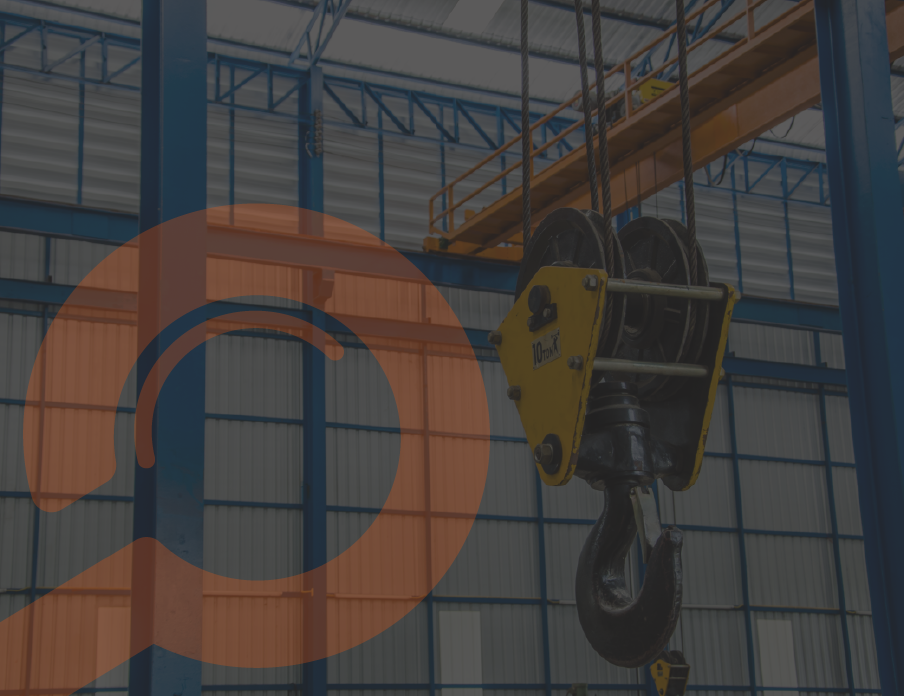
  5. Wire ropes and hooks
  6. Load test verification
  7. Safety devices and alarms

This ensures lifting equipment certification Saudi Arabia standards are met before operation.

Operator Assessment and Operator Cards

Modern Saudi projects increasingly require operator assessment Saudi Arabia procedures in addition to equipment inspection.

Even if equipment passes inspection, operators must demonstrate competency.

Watheeq supports:

  1. Crane operator assessment
  2. Forklift operator assessment
  3. Telehandler operator evaluation
  4. Skills verification
  5. Issuance of operator cards

Operator cards confirm that personnel have been evaluated by an independent body and are authorized to operate specific equipment types.

Many projects deny access if operators lack valid assessment documentation.

Integrated Lifting Equipment Compliance in KSA

To operate legally and safely, companies must ensure:

  1. SABER inspection (for imported equipment)
  2. Third-party inspection (for site entry)
  3. Periodic inspections
  4. Accessory inspections
  5. Operator assessment

Failure in any of these areas can result in operational shutdown.

How Watheeq Company Supports Full Compliance

Watheeq Company provides a complete inspection solution, including:

  1. SABER inspection for lifting equipment
  2. Inspection report preparation and SABER upload
  3. Third-party inspection Saudi Arabia
  4. Periodic and special inspections
  5. Lifting accessories inspection
  6. Operator assessment Saudi Arabia
  7. Issuance of operator cards

Our experienced engineers ensure your machinery and operators meet both regulatory and project-specific safety requirements.

Key Takeaways

  1. Inspection of lifting equipment in Saudi Arabia is mandatory.
  2. SABER inspection is required for imported lifting machinery.
  3. Third-party inspection is required for site access.
  4. Operator assessment and operator cards are often mandatory.
  5. Watheeq provides complete lifting equipment certification Saudi Arabia solutions.

Conclusion

Inspection of lifting equipment in Saudi Arabia is a critical component of regulatory compliance and operational safety. Whether importing equipment into the Kingdom or preparing machinery for project deployment, companies must comply with SABER inspection requirements and obtain valid third-party inspection approval. In addition, operator assessment Saudi Arabia requirements are increasingly enforced to ensure personnel competency.

Ready to Elevate Your Business?

Watheeq ensures your business meets the highest standards. Need certification, inspection, or guidance? We're here to help

Contact Us