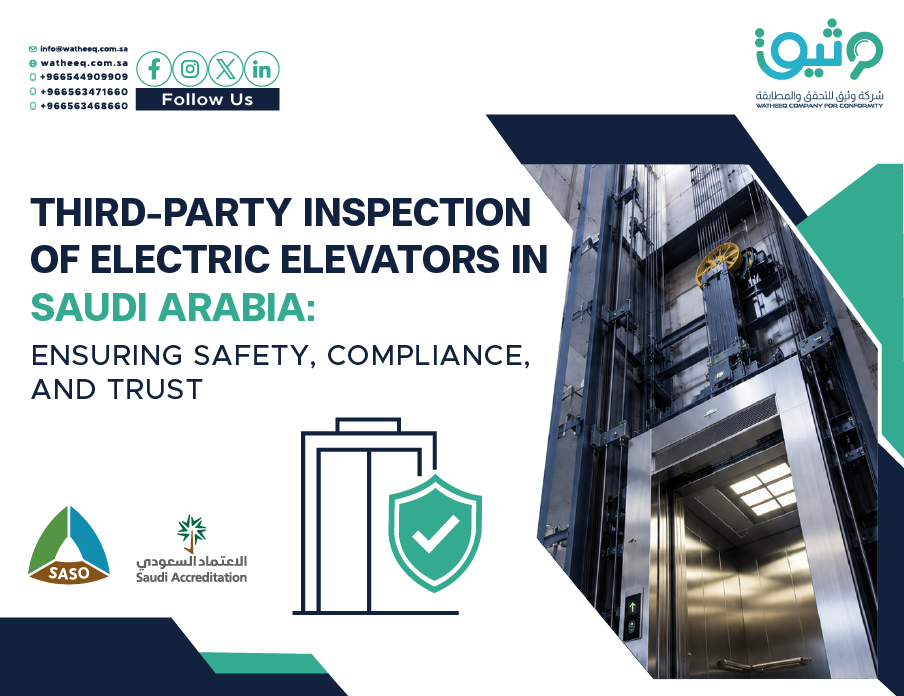
7 Essential Elevator Inspection Requirements in Saudi Arabia for Safety & Compliance

21 Jun 2026 Articles

7 Essential Elevator Inspection Requirements in Saudi Arabia for Safety & Compliance

Elevator Inspection Saudi Arabia requirements have become increasingly important as residential, commercial, healthcare, and industrial developments continue to expand across the Kingdom. Elevators are critical transportation systems used daily by thousands of people, making safety, reliability, and compliance essential priorities for building owners and facility managers.

Third-party elevator inspection provides an independent evaluation of elevator systems to verify compliance with applicable safety requirements, technical regulations, and operational standards. These inspections help identify potential risks before they become serious safety hazards and ensure that elevators remain safe for public use.

At Watheeq Company, we provide professional third-party inspection services for electric elevators throughout Saudi Arabia, helping organizations maintain compliance, operational efficiency, and user confidence.

What Is Third-Party Elevator Inspection?

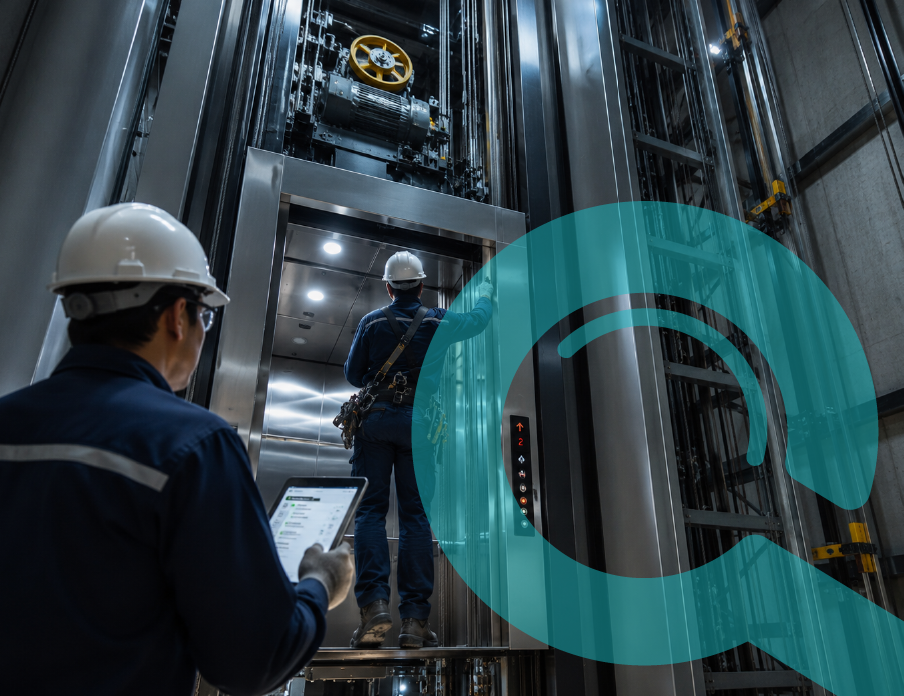
Third-party elevator inspection is an independent technical assessment performed by a qualified inspection body to verify that an elevator system operates safely and complies with applicable regulations and industry standards.

Unlike routine maintenance activities, third-party inspections provide an objective review of the elevator’s condition, performance, and safety systems.

The inspection helps verify:

  1. Structural integrity of elevator components
  2. Safety and reliability of electrical systems
  3. Proper operation of emergency devices
  4. Compliance with applicable safety requirements
  5. Overall operational readiness

Why Elevator Inspection Saudi Arabia is Important

Elevators are complex electromechanical systems that experience continuous use. Over time, wear, environmental conditions, and operational stress can affect safety and performance.

Regular elevator inspection helps identify issues before they result in accidents, breakdowns, or costly repairs.

Key benefits include:

  1. Improved passenger safety
  2. Reduced risk of equipment failure
  3. Enhanced operational reliability
  4. Compliance with safety requirements
  5. Increased confidence for building occupants

7 Essential Elevator Safety Checks

1. Structural Integrity Assessment

Inspectors evaluate the elevator cabin, guide rails, shaft components, and supporting structures to ensure they remain safe and free from significant defects.

2. Electrical System Inspection

The inspection includes verification of:

  1. Electrical wiring
  2. Control panels
  3. Safety circuits
  4. Power supply systems

This helps identify electrical faults that could affect elevator operation.

3. Door Safety Verification

Elevator doors are inspected to ensure proper opening and closing functions and correct operation of safety sensors designed to protect passengers.

4. Emergency Systems Testing

Inspectors verify emergency alarms, communication devices, emergency lighting, and rescue functions to ensure occupants can receive assistance during unexpected situations.

5. Braking System Evaluation

The braking system is assessed to confirm it can safely stop and hold the elevator under normal and emergency conditions.

6. Load Capacity Verification

Elevators must operate safely within their rated capacity. Inspectors verify load-related functions and review system performance under operational conditions.

7. Operational Performance Testing

A comprehensive functional assessment is performed to verify smooth operation, ride quality, response accuracy, and overall system performance.

Elevator Inspection Process

A professional elevator inspection typically includes:

1. Visual Inspection

Review of physical components for damage, corrosion, wear, or installation issues.

2. Functional Testing

Verification of operating systems, controls, emergency functions, and safety devices.

3. Safety Compliance Assessment

Evaluation against applicable safety requirements and inspection criteria.

4. Documentation Review

Verification of maintenance records, previous inspection reports, certifications, and technical documentation.

Following completion of the inspection, a detailed report is issued outlining findings, observations, and any required corrective actions.

Inspection Label and QR Code Verification

Following successful completion of the inspection, an official inspection label is placed inside the elevator.

The inspection label typically includes:

  1. Inspection body name and logo
  2. Elevator identification information
  3. Inspection date
  4. Next inspection due date
  5. Inspector information

To enhance transparency and traceability, the label includes a QR Code that enables building owners, users, and authorities to instantly verify inspection status and validity.

This digital verification process improves confidence in inspection results and supports efficient compliance management.


For official Saudi standards and technical regulations, visit:

Compliance Requirements in Saudi Arabia

Many commercial, residential, healthcare, and public facilities require periodic elevator inspections to ensure safe operation and compliance with applicable requirements.

Failure to maintain valid inspections may result in:

  1. Increased safety risks
  2. Operational restrictions
  3. Compliance concerns
  4. Liability exposure in the event of incidents

Regular inspection helps organizations demonstrate their commitment to safety and responsible facility management.

How Watheeq Supports Elevator Inspection Services

Watheeq Company provides independent third-party inspection services for electric elevators throughout Saudi Arabia.

Our services include:

  1. Independent elevator inspections
  2. Safety and compliance verification
  3. Functional performance assessment
  4. Detailed inspection reports
  5. QR-coded inspection labels
  6. Support for compliance requirements

Our experienced inspection team helps clients maintain safe, compliant, and reliable elevator systems across a wide range of facilities.

Key Takeaways

  1. Elevator inspection in Saudi Arabia is essential for safety and compliance.
  2. Third-party inspection provides independent verification of elevator condition and performance.
  3. Inspections cover structural, electrical, mechanical, and emergency systems.
  4. QR-coded inspection labels improve transparency and verification.
  5. Professional inspections help reduce risks and improve operational reliability.

Conclusion

Elevator Inspection Saudi Arabia requirements continue to play a critical role in protecting building occupants and ensuring safe operations. Through independent third-party inspection, building owners can verify compliance, improve reliability, and identify potential risks before they become serious problems.
Watheeq Company provides trusted elevator inspection services designed to support safety, compliance, and long-term operational excellence.

Ready to Elevate Your Business?

Watheeq ensures your business meets the highest standards. Need certification, inspection, or guidance? We're here to help

Contact Us