Petroleum Tank Inspection in Saudi Arabia: 7 Critical Safety Checks for Compliance

15 Jun 2026 Articles

Petroleum Tank Inspection in Saudi Arabia: 7 Critical Safety Checks for Compliance

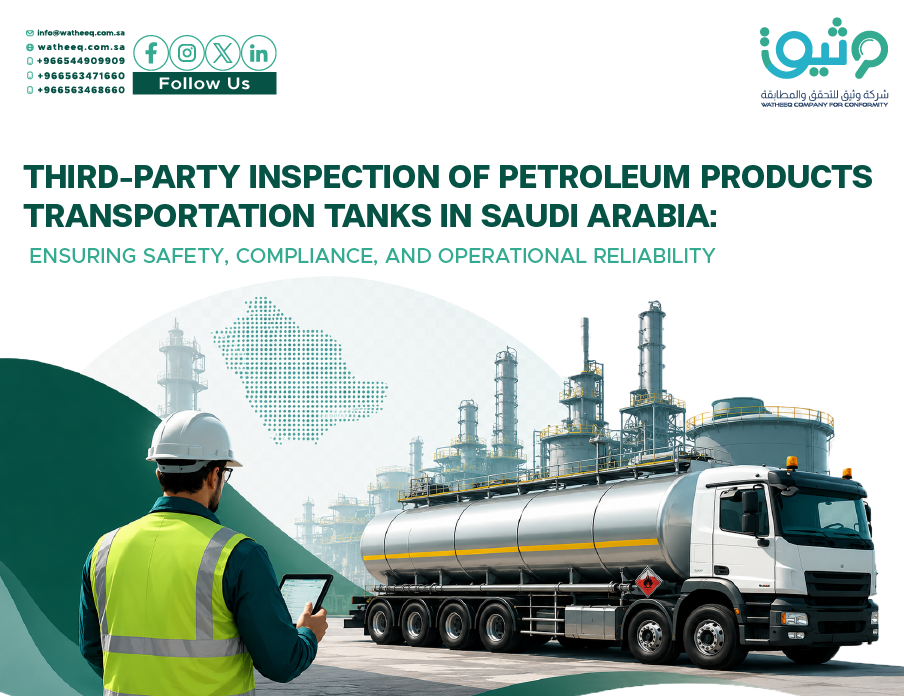
Petroleum Tank Inspection is a critical requirement for companies transporting fuel, diesel, and other petroleum products in Saudi Arabia. Petroleum transportation tanks operate under demanding conditions and must undergo regular third-party inspection to verify structural integrity, safety system performance, and compliance with industry requirements. Proper petroleum tank inspection helps prevent leaks, environmental incidents, equipment failures, and costly operational disruptions.

The transportation of petroleum products such as fuel, diesel, and other hazardous liquids requires the highest levels of safety and operational control. Across Saudi Arabia, petroleum transportation tanks are essential assets used within logistics, energy, and industrial sectors.

Due to the risks associated with transporting flammable and hazardous materials, third-party inspection of petroleum transportation tanks has become a key requirement for ensuring safety, compliance, and operational reliability. This inspection is often mandatory for operating within regulated environments, industrial facilities, and major projects throughout the Kingdom.

Why Petroleum Tank Inspection Is Essential

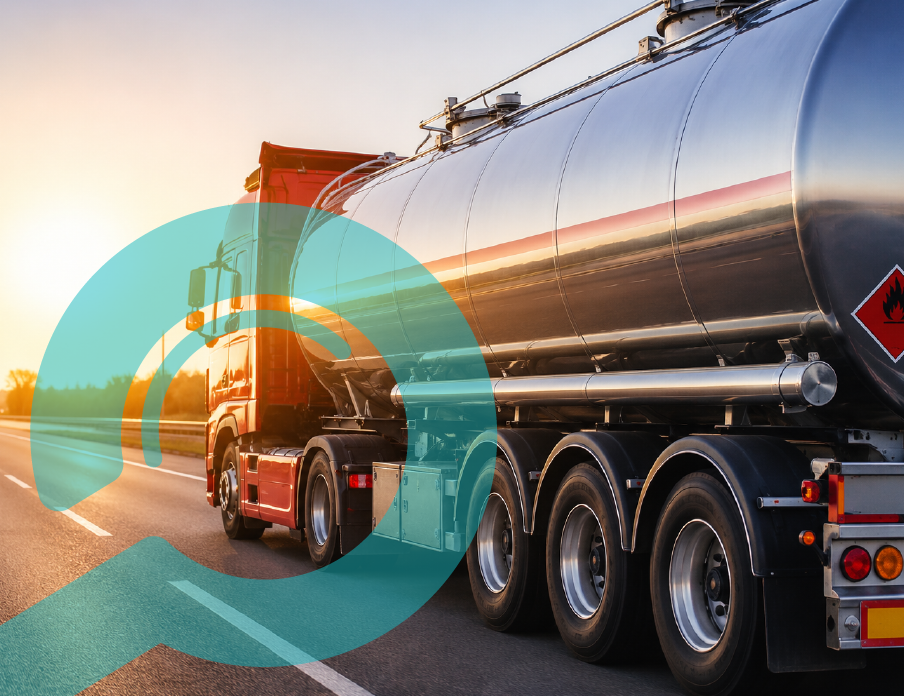
Petroleum transportation tanks are exposed to challenging operating conditions, including pressure fluctuations, temperature variations, vibration, and exposure to corrosive substances. Over time, these factors may cause:

  1. Internal and external corrosion
  2. Structural fatigue and material degradation
  3. Leakage or contamination of petroleum products
  4. Failure of valves and safety systems

Any of these issues can result in serious incidents, including environmental pollution, fires, product loss, operational downtime, and safety risks to personnel.

For this reason, companies rely on independent third-party inspection services to verify that tanks remain safe, compliant, and fit for continued service.

What Is Third-Party Inspection for Petroleum Transportation Tanks?

Third-party inspection is an independent technical assessment carried out by a qualified inspection body. The purpose is to evaluate the overall condition of petroleum transportation tanks and confirm their suitability for the safe transport of petroleum products.

Unlike internal maintenance checks, third-party inspection provides an objective evaluation performed according to recognized technical standards and inspection procedures.

This process helps operators demonstrate compliance with project requirements, safety expectations, and industry best practices.

Scope of Petroleum Tank Inspection

Petroleum tank inspection involves a detailed assessment of critical components that directly affect safety, performance, and operational reliability.

1. Structural Integrity Assessment

Inspectors evaluate the structural condition of the tank, including:

  1. Tank shell and body condition
  2. Weld joints and connections
  3. Supporting frame and mounting structures

This assessment verifies that the tank can safely withstand transportation and operational stresses.

2. Tank Wall Thickness Measurement

Using advanced ultrasonic thickness measurement equipment, inspectors assess:

  1. Tank wall thickness
  2. Areas affected by corrosion
  3. Material loss due to wear or deterioration

Thickness testing helps identify early signs of weakness before they develop into serious safety concerns.

3. Ventilation System Verification

Proper ventilation is essential to control pressure levels inside petroleum tanks.

The inspection includes:

  1. Verification of ventilation systems
  2. Assessment of pressure relief functionality
  3. Confirmation of adequate airflow performance

Defective ventilation systems can significantly increase operational risks.

4. Valve Inspection and Functionality Testing

Valves are critical components responsible for controlling the loading and unloading of petroleum products.

Inspection includes:

  1. Leakage verification
  2. Seal integrity checks
  3. Functional testing
  4. Emergency shut-off verification

Proper valve operation is essential for safe product handling and transportation.

5. Corrosion Protection Assessment

Corrosion is one of the most common causes of petroleum tank deterioration.

The inspection evaluates:

  1. Protective coatings
  2. Corrosion prevention systems
  3. Rust formation
  4. Chemical damage

This assessment helps ensure long-term durability and safe operation.

Advanced Technologies Used During Inspection

Modern petroleum tank inspection relies on advanced inspection technologies that allow defects to be detected accurately without damaging the tank.

These technologies provide:

  1. Improved inspection accuracy
  2. Early defect detection
  3. Reduced operational risk
  4. Reliable condition assessment

Advanced inspection methods help identify hidden issues before they become major failures.


For official Saudi standards and technical regulations, visit:

Inspection Labels and QR Code Verification

Following successful completion of the inspection, an official inspection label is placed on the tank.

The inspection label typically contains:

  1. Name of the inspection body
  2. Inspection date
  3. Tank or trailer identification details
  4. Inspection validity information

In addition, the label includes a QR Code that enables authorities, clients, and project personnel to instantly verify inspection validity and certification status.

This digital verification process improves:

  1. Transparency
  2. Traceability
  3. Compliance monitoring
  4. Confidence in inspection results

Benefits of Third-Party Petroleum Tank Inspection

Third-party inspection provides significant operational and compliance advantages, including:

Improved Safety

Inspection helps identify potential failures before they result in accidents, leaks, or environmental incidents.

Regulatory Compliance

Regular inspection supports compliance with project requirements and industry safety expectations.

Extended Equipment Life

Early identification of corrosion and defects helps extend the service life of petroleum transportation tanks.

Reduced Downtime

Preventive inspection minimizes unexpected failures and operational disruptions.

Increased Customer Confidence

Certified and inspected tanks demonstrate a commitment to safety, quality, and responsible operations.

How Watheeq Supports Petroleum Tank Inspection in Saudi Arabia

Watheeq Company provides professional third-party inspection services for petroleum transportation tanks throughout Saudi Arabia.

Our services include:

  1. Comprehensive tank inspections
  2. Structural integrity assessment
  3. Thickness measurement testing
  4. Valve and ventilation system verification
  5. Corrosion protection evaluation
  6. Inspection reporting and certification
  7. QR Code inspection label issuance

Our experienced inspection team helps operators maintain compliance, improve safety, and support uninterrupted operations.

Key Takeaways

  1. Petroleum tank inspection is essential for safe transportation of fuel and hazardous liquids.
  2. Third-party inspection helps ensure compliance, safety, and operational reliability.
  3. Inspection includes structural assessment, wall thickness testing, valve verification, ventilation checks, and corrosion evaluation.
  4. QR Code inspection labels provide reliable and transparent verification.
  5. Watheeq provides complete inspection solutions for petroleum transportation tanks across Saudi Arabia.

Conclusion

Petroleum tank inspection is a vital part of maintaining safe and compliant transportation operations in Saudi Arabia. Regular third-party inspection helps identify corrosion, structural weaknesses, valve defects, and other potential hazards before they lead to serious incidents.

By ensuring compliance with project requirements and industry safety expectations, companies can protect their personnel, assets, and reputation while maintaining uninterrupted operations. Watheeq Company provides professional petroleum tank inspection services, helping operators achieve the highest levels of safety, reliability, and regulatory compliance.

Ready to Elevate Your Business?

Watheeq ensures your business meets the highest standards. Need certification, inspection, or guidance? We're here to help

Contact Us